Side-by-side brand comparison based on generator scoring data


Predator has a slight lead in our scoring dataset, with Aceup Energy close behind. The edge comes mainly from higher reliability-tier positioning and broader catalog depth. Choose Predator if brand-level reliability confidence matters most. Choose Aceup Energy if build quality and long-term durability matter most.
Last updated September 20, 2026
Predator and Aceup Energy both occupy the lower end of the generator market, with neither brand delivering standout scores across the board. Predator earns an average overall score of 3.2 out of 10, edging past Aceup Energy's 2.8. While neither result is particularly impressive, Predator's larger catalog of 29 published models (24 scored) gives buyers more options compared to Aceup Energy's 10 published models (7 scored). Predator also holds a meaningful advantage in brand reliability, earning a Tier C rating (60 out of 100) versus Aceup Energy's Tier F (33 out of 100).
That said, Aceup Energy does show some relative strengths. It scores higher on average build quality (2.7 versus Predator's 2.0), average practicality (3.9 versus 3.7), and average features (3.3 versus 3.1). Aceup Energy even edges ahead on average value at 2.1 compared to Predator's 1.9. However, these margins are slim and occur within a low scoring range overall. In head-to-head model matchups, Predator tends to come out ahead, particularly in the best overall category where the 72903 (4.7) outscores the AI4000DS (3.8) and in the 3,000 to 5,000 watt segment where the 59192 (4.4) significantly outperforms the AI4000s (2.2). Aceup Energy does claim a narrow win in the top inverter matchup, with the AI2500S (3.5) beating the 73422 (3.2).
Predator is the better fit for buyers who want a wider selection of generators and a somewhat more reliable brand behind them. With 29 models in its catalog, Predator covers more wattage ranges and use cases, making it easier to find a unit that fits a specific need. Its Tier C reliability rating, while not exceptional, is considerably stronger than Aceup Energy's Tier F. Predator's top model, the 72903, scores 4.7, which is the highest individual score between the two brands.
Buyers shopping in the 3,000 to 5,000 watt range should pay particular attention to Predator, where the 59192 scores 4.4 compared to just 2.2 for Aceup Energy's closest competitor. The 71341 also stands out as Predator's best value option at 4.3, outperforming Aceup Energy's AG1000 at 3.8.
Aceup Energy may appeal to buyers who prioritize build quality and features over brand reliability, as it scores higher than Predator in both of those categories on average. Its slightly better practicality score (3.9 versus 3.7) suggests that some of its models may be a bit more user-friendly in day-to-day operation. The AI2500S inverter generator, scoring 3.5, narrowly beats Predator's top inverter option at 3.2, making it worth a look for those specifically seeking a portable inverter unit.
However, potential buyers should weigh these modest advantages against Aceup Energy's Tier F reliability rating and its much smaller catalog. With only 10 published models, the selection is limited. Aceup Energy's best overall model, the AI4000DS, scores just 3.8, which trails Predator's top option by nearly a full point.
The best generator-to-generator comparisons between Predator and Aceup Energy.


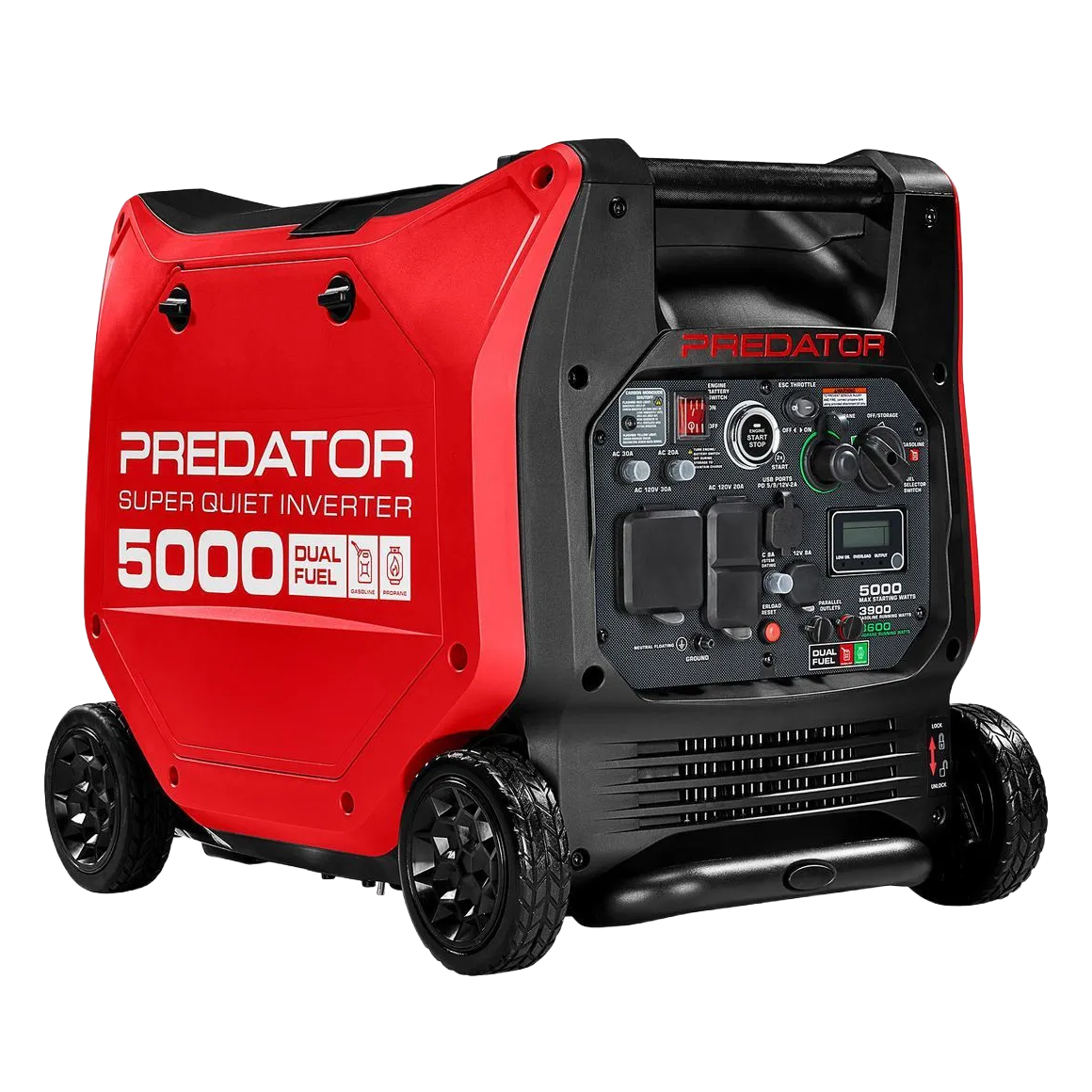 VS
VS


Predator is rated Tier C with a reliability score of 60 out of 100, while Aceup Energy falls into Tier F with a score of 33 out of 100. Predator is the clearly more reliable option based on available data.
Yes. Aceup Energy scores higher on average build quality (2.7 versus 2.0), average practicality (3.9 versus 3.7), average features (3.3 versus 3.1), and average value (2.1 versus 1.9). However, all of these margins are relatively small and fall within a low overall scoring range.
Predator's top-scoring model is the 72903 at 4.7 out of 10. Aceup Energy's best model is the AI4000DS at 3.8 out of 10. Predator also has strong options in the 59192 (4.4) and the 71341 (4.3).
Aceup Energy has a slight edge in this specific category. Its AI2500S scores 3.5 compared to Predator's top inverter model, the 73422, which scores 3.2. The two models share a 69 percent similarity rating, making them relatively comparable in class.
